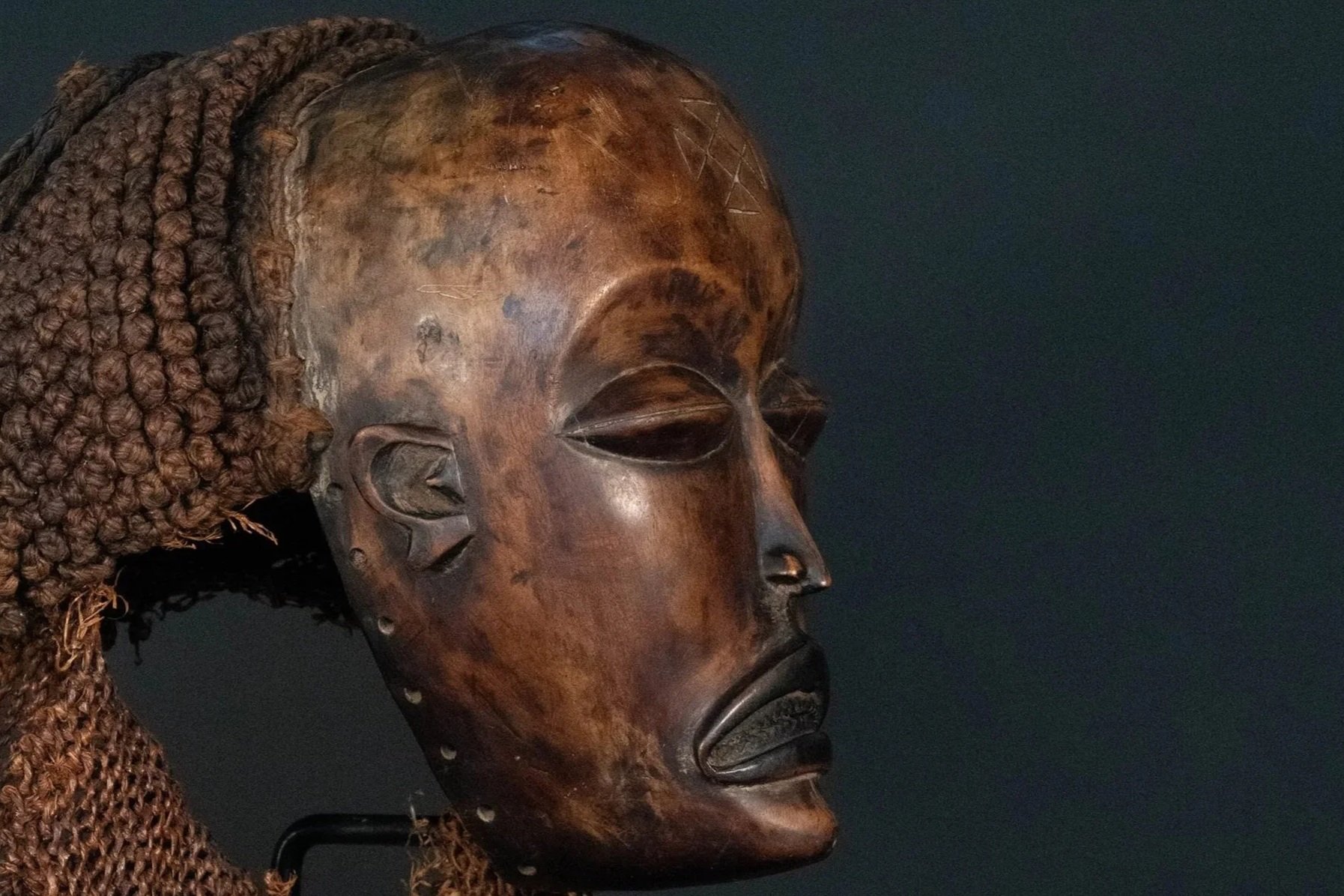
19th & 20th Century African Art & Artifacts
Artistry That Transcends Time
~ Cultural Artifacts ~ Exceptional Decor Objects ~ Museum Quality Pieces
~ Cultural Artifacts ~ Exceptional Decor Objects ~ Museum Quality Pieces
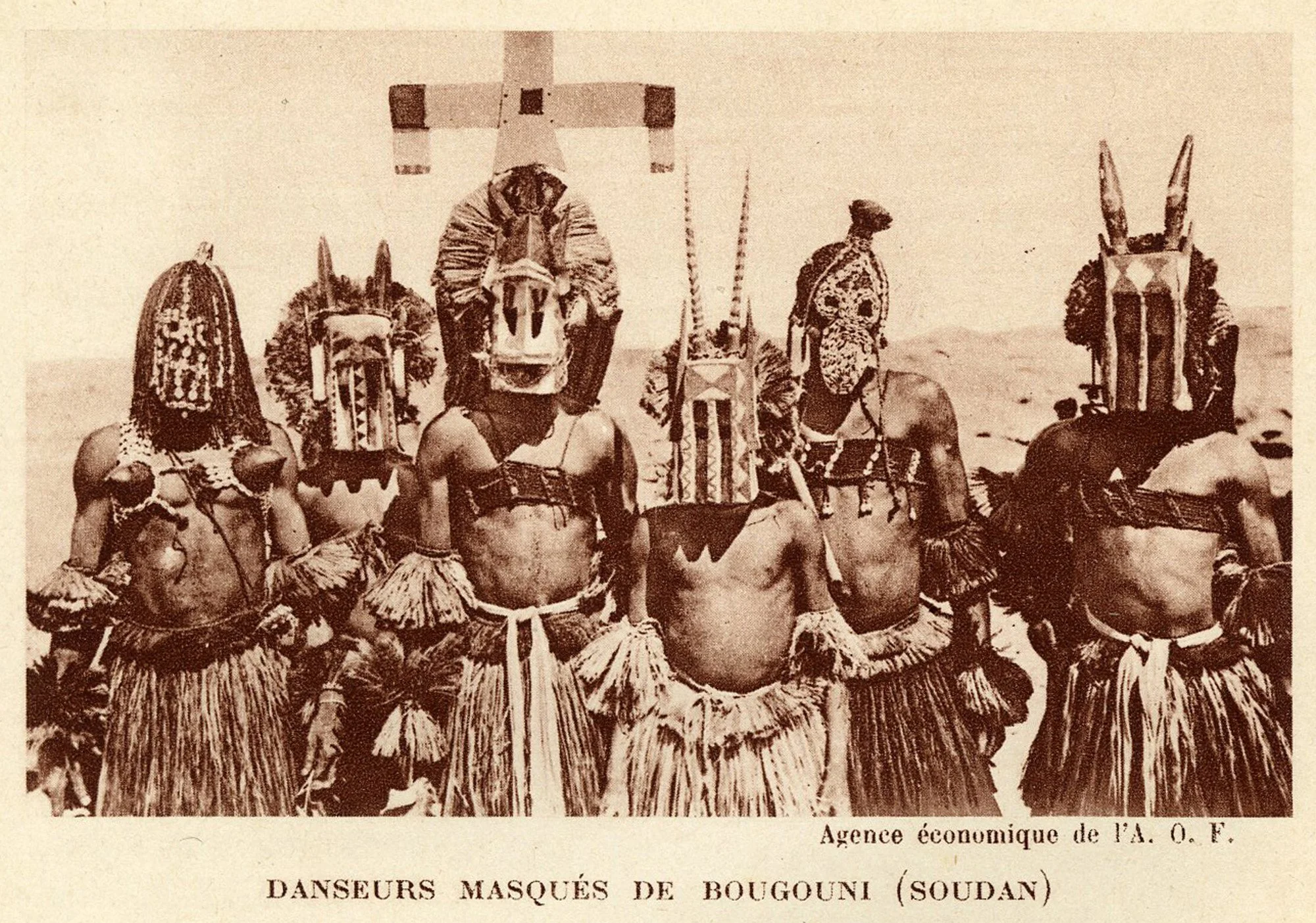
Authentic Cultural Artifacts
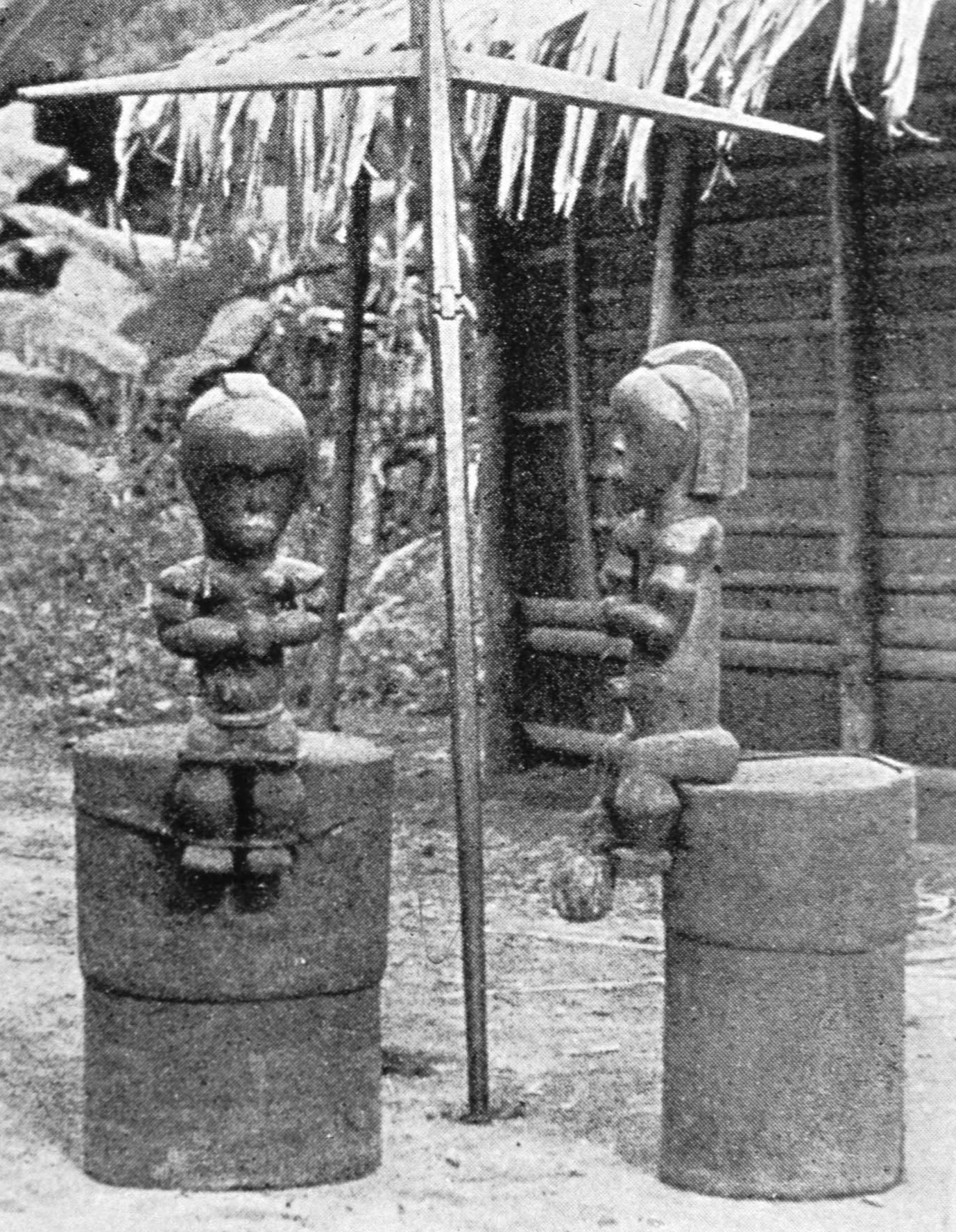
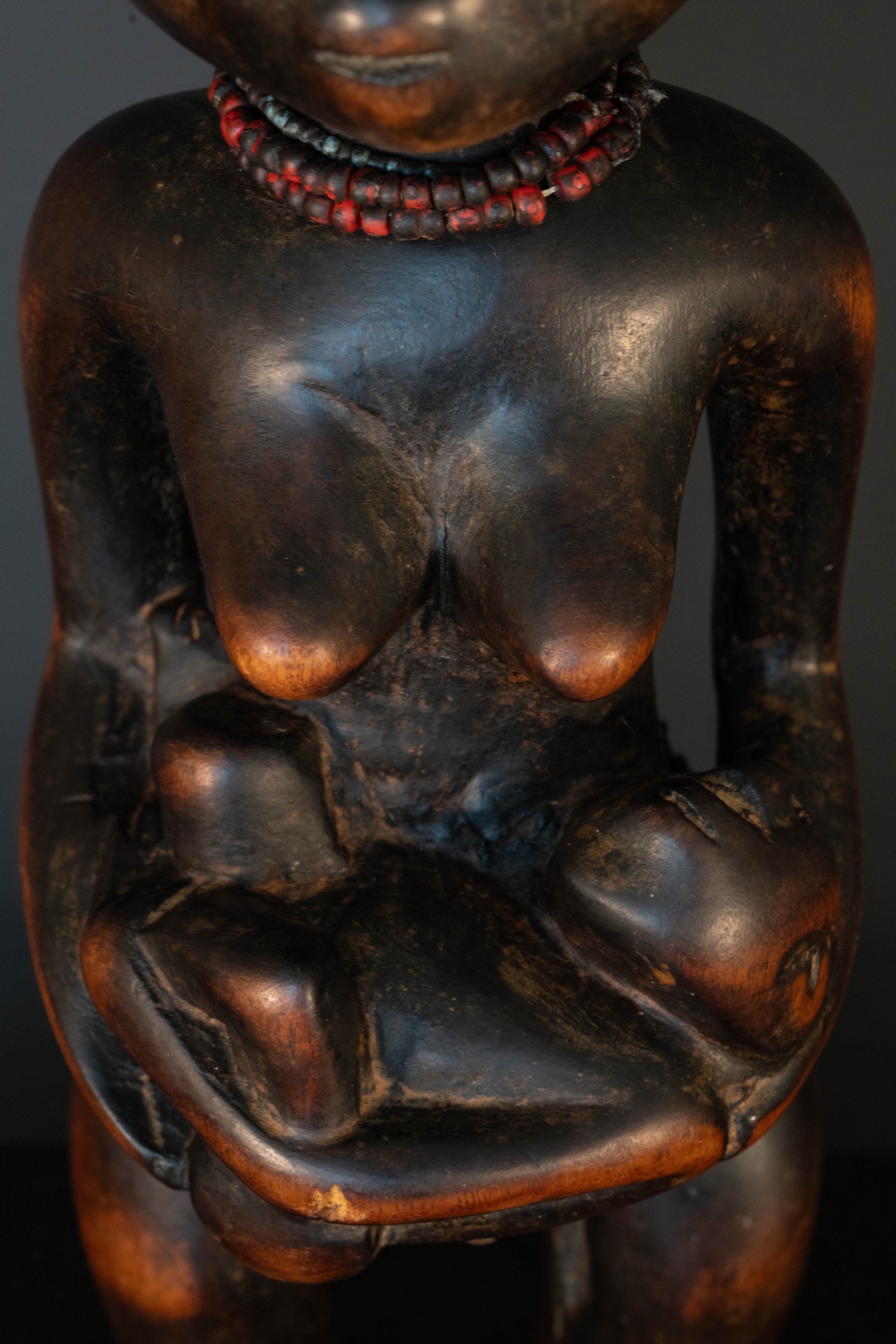
Every Figure Holds a Lineage
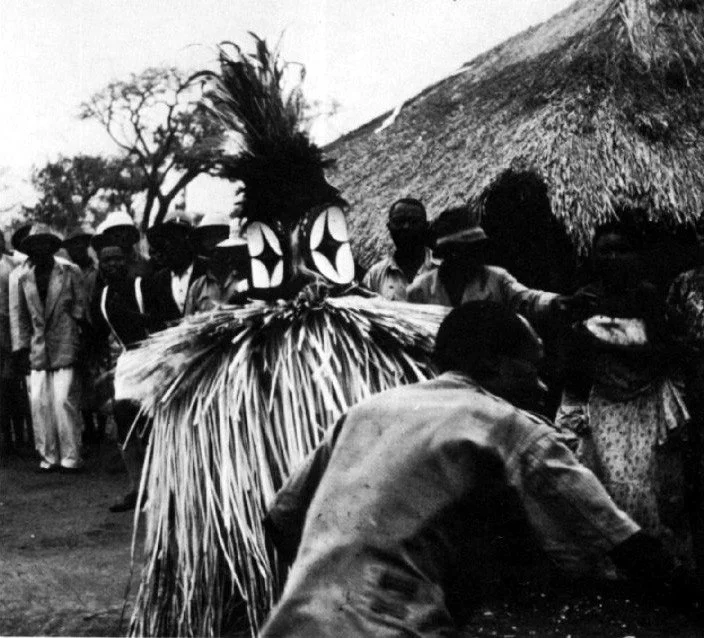
Every Carving Tells a Story
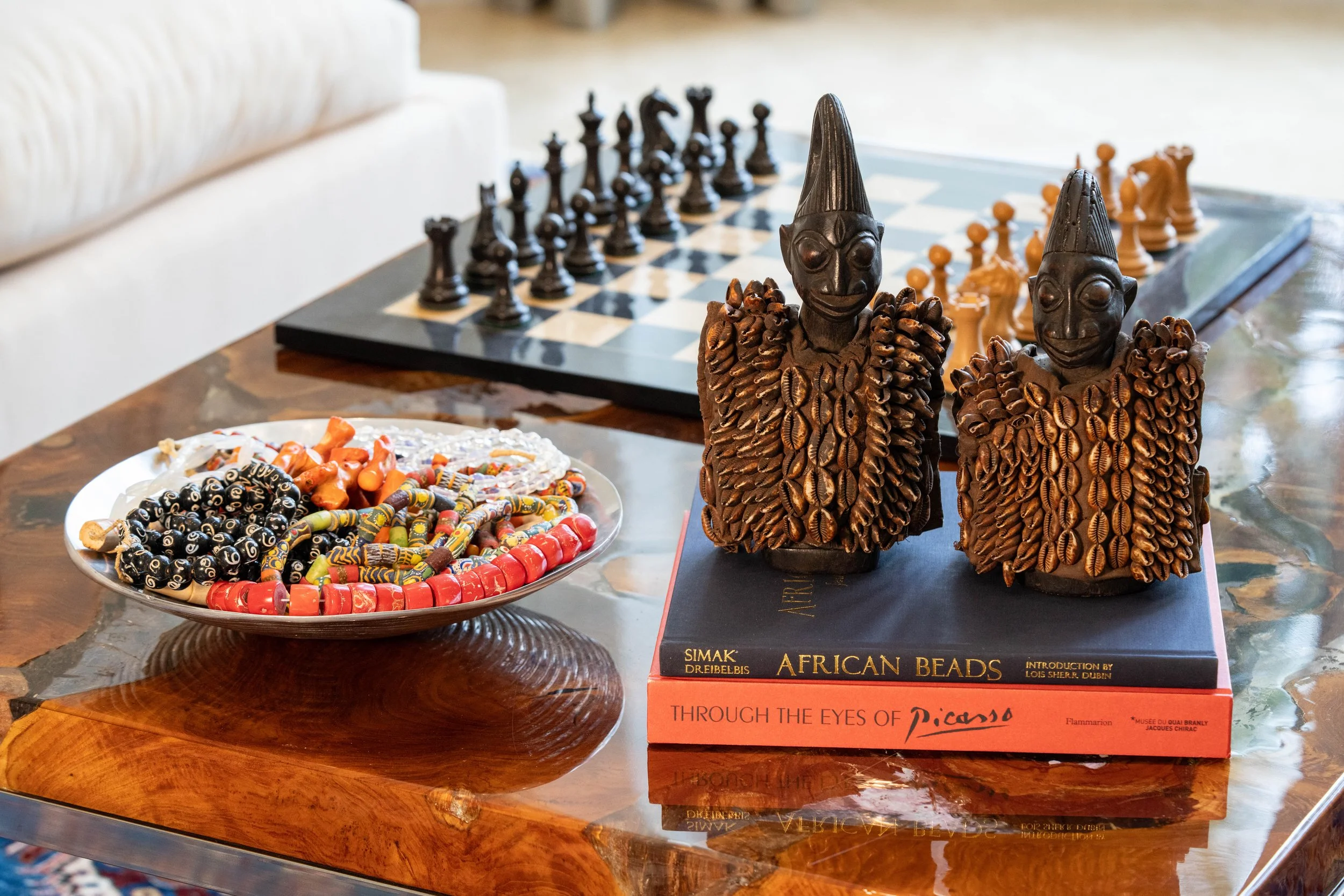
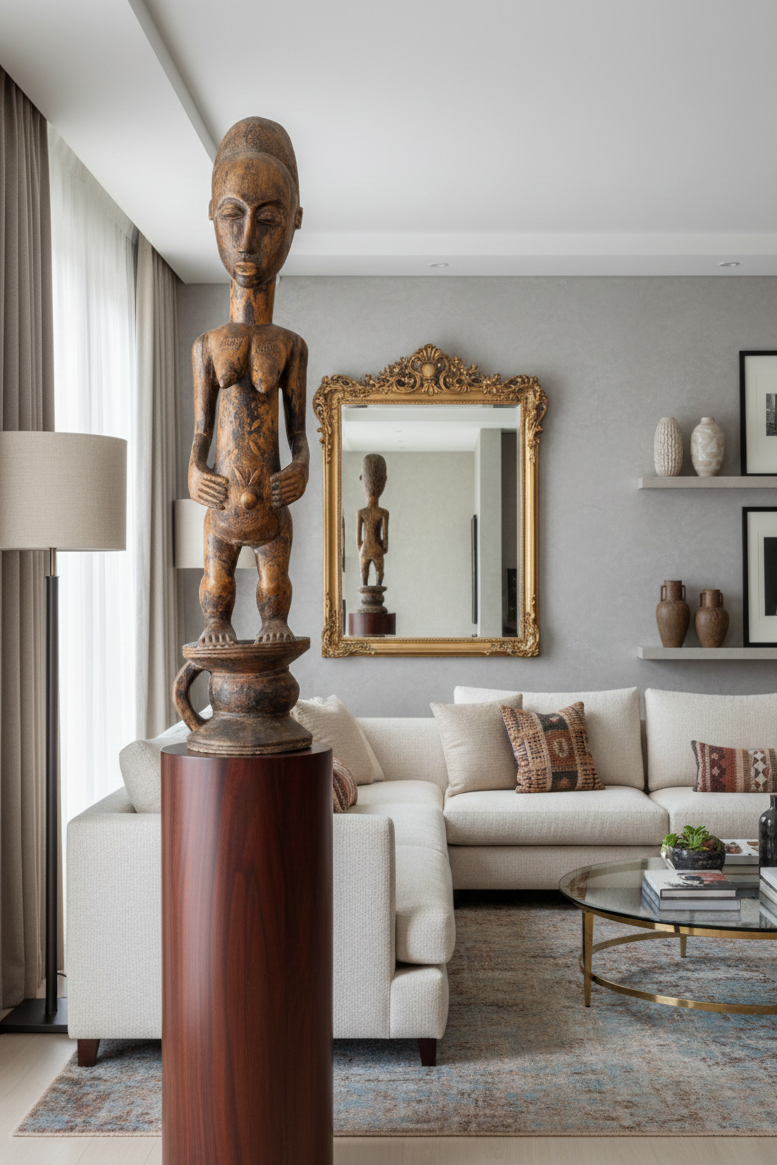
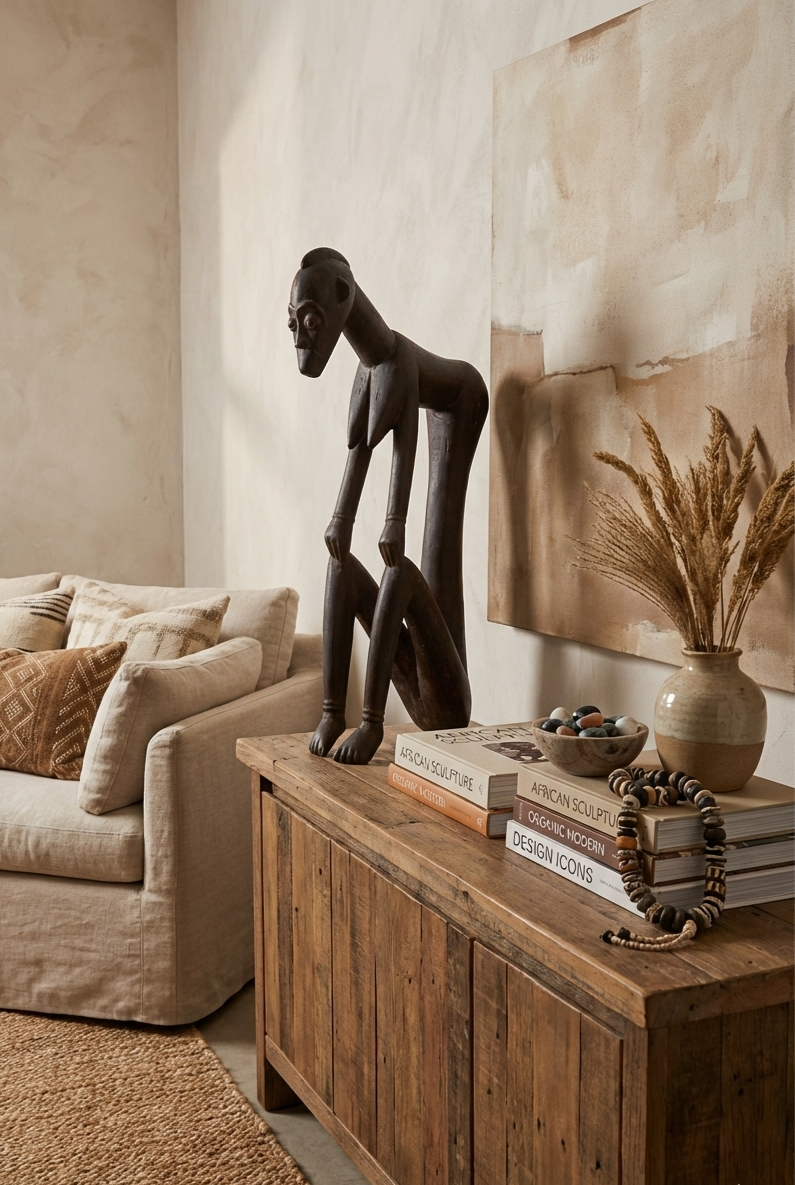
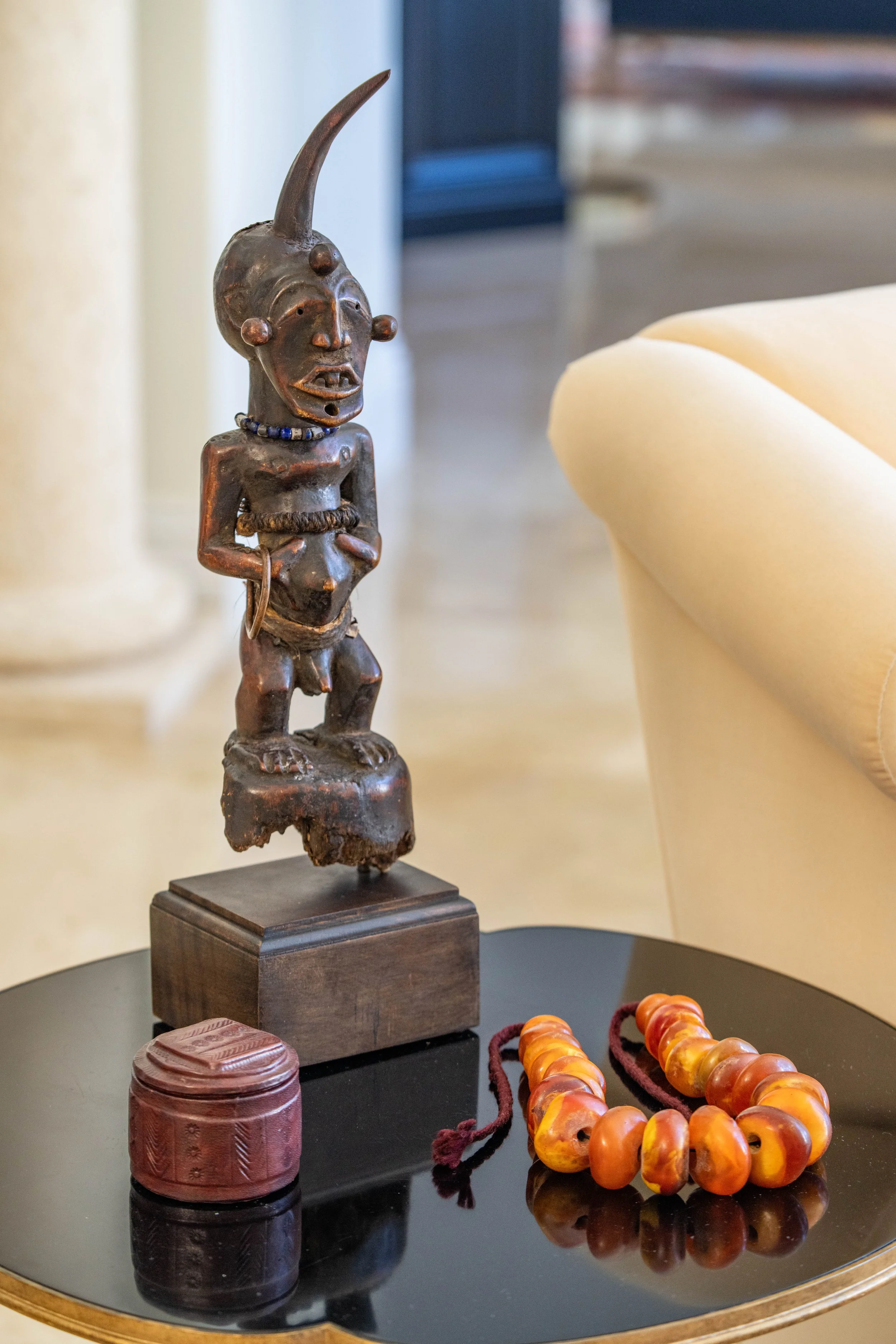
Our Ethos
About Our Masks, Sculptures & Ritual Objects
Every mask, sculpture, and ritual object in our gallery is an authentic, handmade work of African art, drawn from private collections. Each was shaped by the cultural and spiritual traditions of the community that made it, and each carries a history we research and describe as fully and honestly as the evidence allows. We have handled, researched, and vetted every object offered here in person. If you have a question about a piece — its age, its culture of origin, or whether it belongs in your collection — you will be speaking directly with the person who chose it.
We curate with care, drawing on years of study and long relationships with collectors and specialists. When a piece needs restoration, we intervene gently and only to preserve it — never to alter its original surface, spirit, or story.
Because these objects are handmade and were often used in ceremony, we cannot always fix exact age and attribution with certainty. We offer every description and age estimate honestly, to the best of our knowledge, with the evidence set out plainly.
Natural wear and patina are to be expected. They are not flaws, but the physical record of a life lived in service to a community — part of what makes each object singular.
On Connoisseurship and Provenance
Every piece in this collection is chosen first for what it is: accomplished sculpture from the great carving traditions of West and Central Africa. Trained hands made these within demanding canons — the resolution of the human figure, the command of proportion and negative space, the treatment of surface and patina. On formal terms alone, they hold their own beside any sculptural tradition in the world. But they were never carved as art for its own sake. Each was made to do something — to honor an ancestor, protect a household, heal an affliction, ensure fertility, or give visible form to spiritual force — and that purpose is part of what we document.
Most of these works come to market without a continuous, named ownership history — the collection labels and pre-1970 export papers that command the highest prices at European auction. We don't minimize that; we state it plainly on every piece, because it is the honest basis for the value on offer. You are paying for the object and the expertise, not for a paper-trail pedigree.
In its place, we offer direct, documented connoisseurship. We read the wood itself — the surface checking and fine crazing, the radial splits and ring shake that open slowly as a piece loses moisture over decades, the channels left by insect activity over long stretches of time, and, at breaks or areas of loss, an interior tone that has aged through the grain rather than a fresh surface stained to imitate age. We study the base and other contact points for the shrinkage and handling wear of a figure that has stood, been carried, or been used.
Each piece is examined under ultraviolet light at 365 nm; assessed for patina and differential wear; studied for the adze and chisel marks and slight asymmetries of true hand carving; and evaluated for iconographic coherence within its tradition, against published comparables. We also bring advanced AI visual analysis to bear on high-resolution photography — a reading of form, proportion, scarification, and stylistic detail cross-referenced against a broad corpus of documented examples — which we treat as one more lens alongside hands-on examination and the literature, never a substitute for them.
We are not troubled by honest age. Old loss and period repair mark an object that genuinely lived its function; a piece too pristine for its claimed age invites more scrutiny, not less. We tell you what the evidence supports about origin, period, and type — and we tell you, plainly, where the record is silent and what remains informed attribution rather than proof.
That candor is the offer. For the collector who values the work itself over the provenance market, these are a chance to acquire sculpture of real artistic and historical significance — examined and documented by a specialist, at prices the pedigree market has not yet caught up to.
Provenance & Ethical Sourcing Statement
We are committed to responsible stewardship and ethical collecting. We acquire only from private holdings we have reason to believe were lawfully formed, and we do not knowingly acquire or offer any object that has been illicitly obtained, unlawfully exported, or removed in violation of applicable cultural heritage laws.
Many of these works come to us without a continuous, named ownership history — a reality common to older African art that has passed through informal hands over generations. Where provenance information exists, we document and share it for transparency. Where it does not, we vet each piece to the best of our ability, in accordance with established professional standards, and we tell you plainly what is known and what is not.
We approach this material with respect for the cultures and communities from which it originates, recognizing its historical, artistic, and cultural significance. Our aim is preservation, education, and the thoughtful placement of these objects into collections that value their legacy.
Follow us on Social
Contact Us
Questions about a piece? Ask about an object's history, condition, provenance, or whether it fits your collection. We answer every inquiry personally — usually within one business day. We offer detailed authentication reports for most items at no charge. Include the specific piece you are interested in, or use the “Inquire” button on each item’s page. Fill out a few details, and we will be in touch!